



\"Natural,\" \"Organic,\" \"Whole Grain\": What the Front of the Box Is Allowed to Say
The front of a food package is not information. It's advertising with a legal department — every word chosen because it's allowed, and because it works on a tired parent moving at shopping speed.
I read these claims the way I used to read contracts: assuming each word earned its place. Here's what the big ones actually commit to.
"Natural." Almost nothing. For most products it isn't strictly defined — a cereal can be loaded with added sugar and stripped flour and wear "natural" comfortably. It's the single best-performing word in food marketing precisely because it promises so little.
"Made with whole grains." Notice the engineering: made with. Not made of. A cracker whose first ingredient is stripped white flour can carry this claim on the strength of a token amount of whole grain further down the list. The claim is technically true and practically decorative.
"Organic." This one is regulated — it tells you real things about how ingredients were grown. But here's the confusion the packaging is happy to leave in place: organic describes farming, not nutrition. Organic sugar spikes a child exactly like regular sugar. An organic fruit snack is still a fruit snack. Organic can be worth paying for — but it answers a different question than "is this good food?"
"No high-fructose corn syrup." Often true — because the sweetness comes from cane sugar, brown rice syrup, or fruit-juice concentrate instead. The sugar didn't leave; it changed its name. (Sugar has dozens of them, which is a post of its own.)
"A good source of 8 vitamins." Usually meaning: sprayed-on synthetic vitamins in a product whose own nutrients were stripped in processing. The word for this maneuver is "enriched" — I've written about that one separately, because it might be the most successful word in the whole store.
The pattern under all of it: the front of the box answers the manufacturer's question — "how do we sell this?" Only the back answers yours. Which is why the entire skill of protecting your cart comes down to one motion: turn the package around.
What to look at once you've turned it — the five-second system, in order, for any product — is exactly what my free guide teaches. The 5-Second Label Method.
Healthy Kids, Happy Minds shares general information about family nutrition, not medical advice. If you have concerns about your child's growth, eating, or health, please speak with your pediatrician.
Want an easier way to understand packaged foods without
analyzing every ingredient?
Understand the why behind the behavior
Explore science-informed guides that explain how nutrition interacts with
children's developing brains and bodies, and why it can influence focus, mood,
sleep and behavior.
READ NEXT

A note from Ela
Real Food for Healthy Kids and Happy Minds
This is my little corner of the internet for parents who want to feed their kids well, without the stress, and without the marketing words.
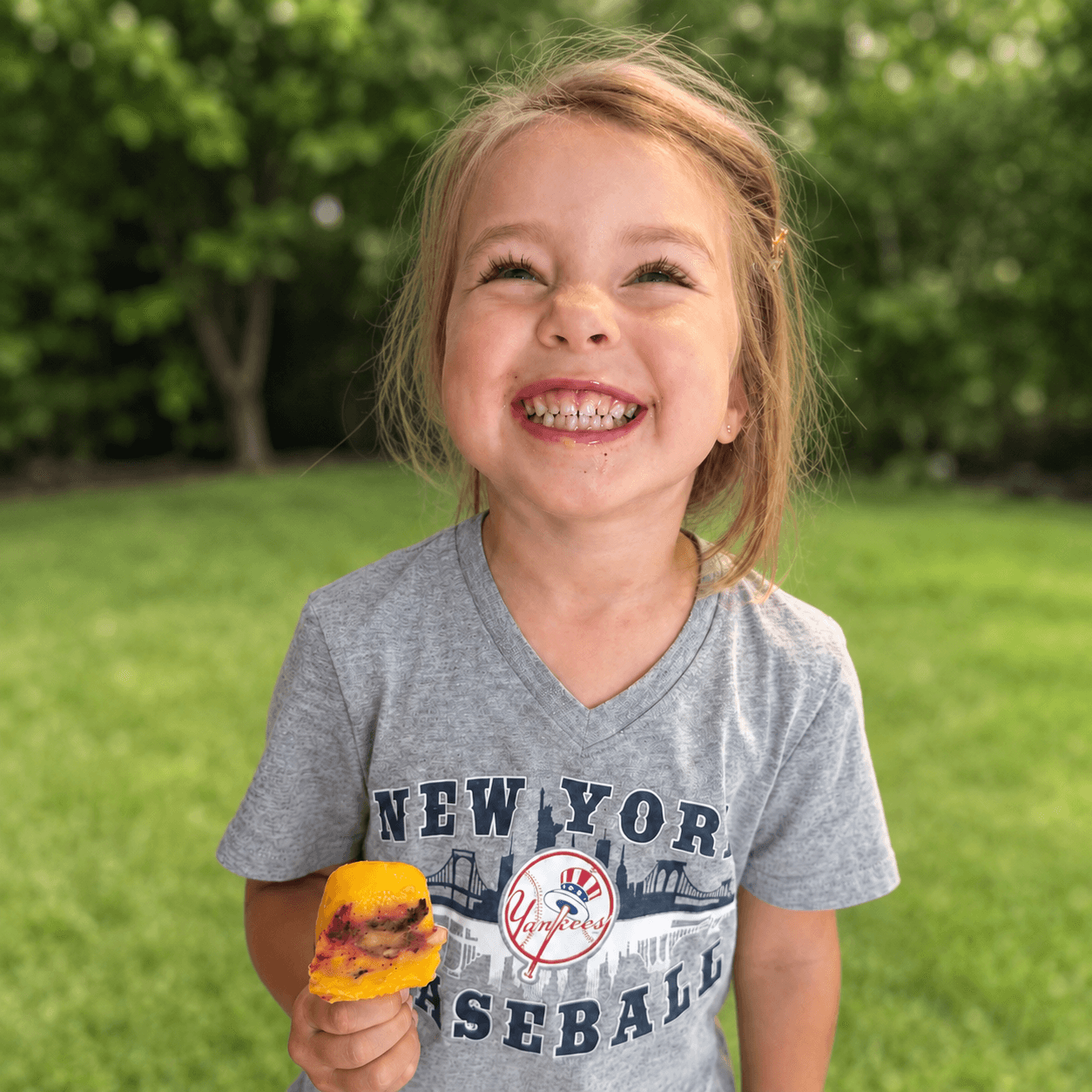
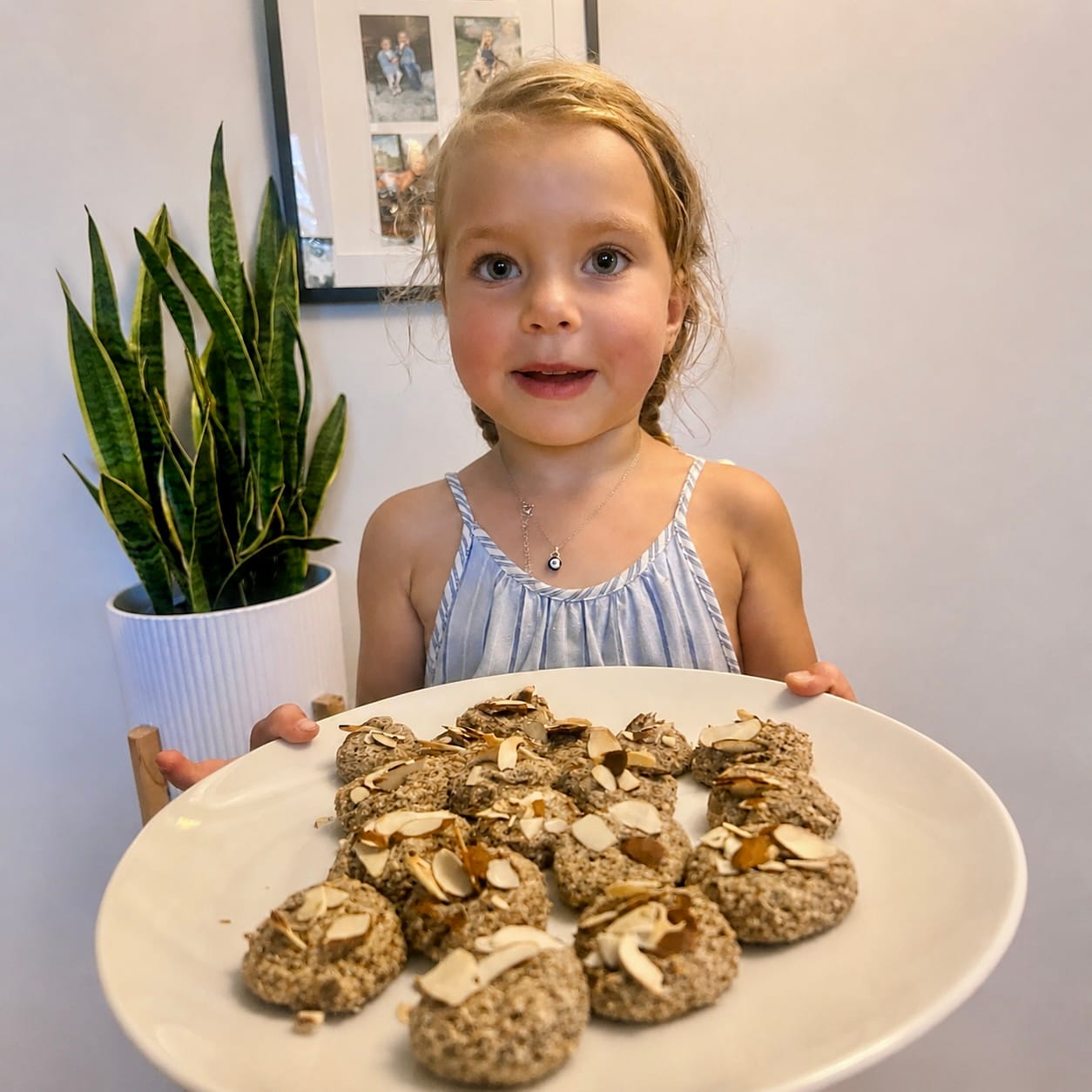
Here you'll find real-food recipes my own two kids actually eat (yes, including sweet treats, the healthy way), simple articles about how food shapes behavior, focus, and sleep, and easy label tips for your next grocery trip.
Pour yourself a coffee and look around. And if a recipe wins over your picky eater, come tell me on Instagram, it makes my whole day.
Read the label. Feed the brain. Keep it real.
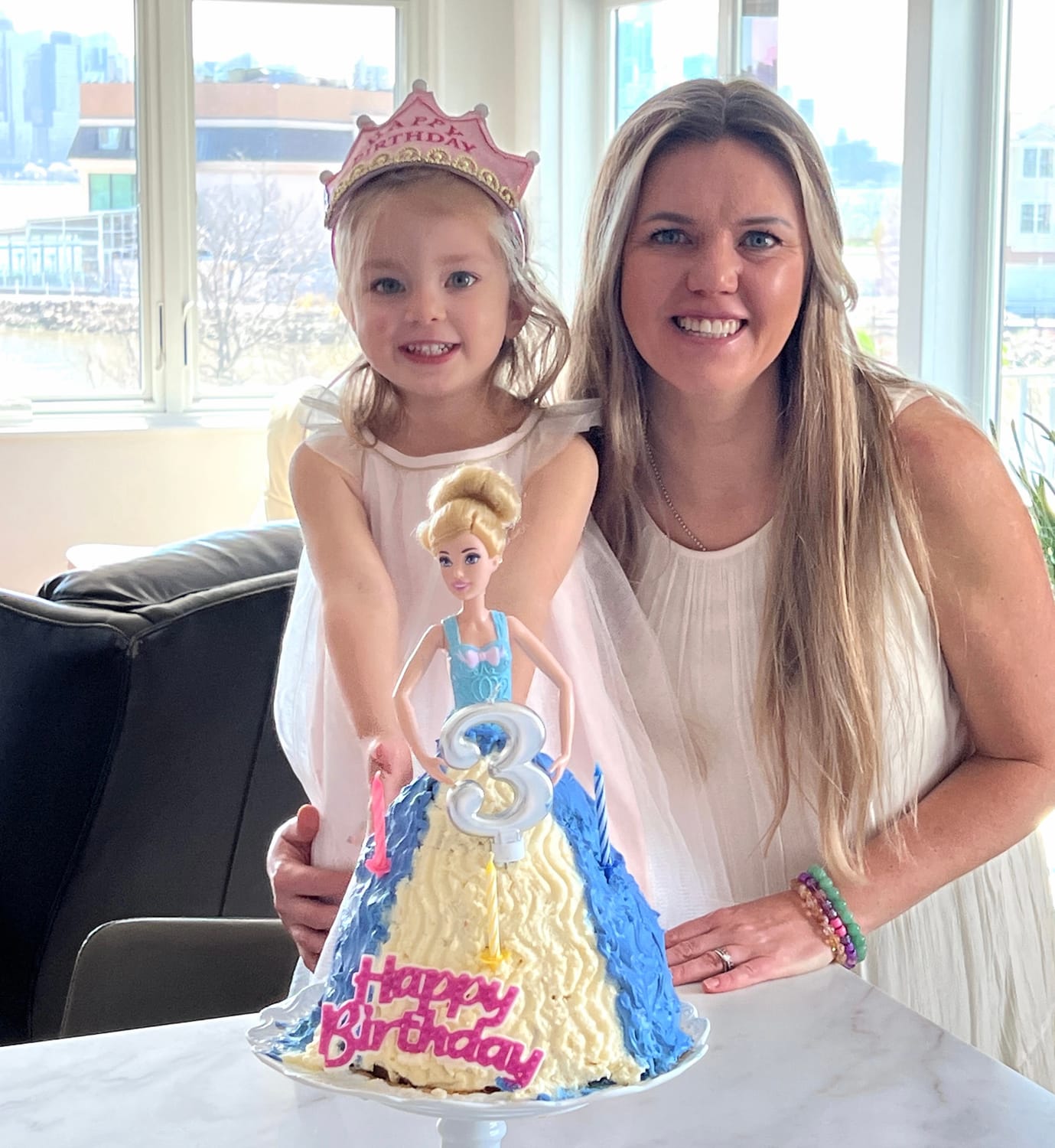
All homemade, all real food. Yes, even the princess cake. No refined sugar, no stress, and a kid who never feels like she's missing out.
Practical kids' nutrition tips, label-reading help and realistic family meals
© 2026 Healthy Kids, Happy Minds · by Ela Larsen · a brand of Serenite Group LLC. All rights reserved.