




When Hunger Wears a Behavior Costume
Every parent knows the transformation. A reasonable child — a child who was fine — becomes, within minutes, a small unreasonable stranger. Negotiating everything. Crying at nothing. Deaf to their own name.
We have a whole vocabulary for it: acting out, testing limits, being difficult. But before reaching for any of those words, it’s worth asking one boring question first: when did this child last eat, and what was it?
Because here’s what’s happening under the surface. When blood sugar dips, the body treats it as a small emergency and releases stress hormones to compensate — the same hormones behind fight-or-flight. In an adult, that produces the well-known “hangry.” In a child — whose brain’s self-control department is still decades from finished — it produces something bigger: a nervous system in alarm mode, wearing a behavior costume.
The tell-tale signs it’s fuel, not character:
• It appears at predictable times — before lunch, the 4pm zone, the last stretch before dinner
• It comes on fast — fine at 3:40, impossible at 4:00
• The child seems unable, not unwilling — they can’t seem to hear you, reason with you, or say what’s wrong
• And the biggest one: food fixes it in twenty minutes, which discipline never does
That last point is the free experiment. Next time the storm hits at a suspicious hour, skip the lecture and quietly hand over something with protein in it — cheese, yogurt, a boiled egg — then wait twenty minutes before drawing any conclusions about your child’s character. If the stranger turns back into your kid, you didn’t have a behavior problem. You had a fuel gap.
None of this means food explains everything — kids are still kids, and big feelings are part of the job description. But when the same storm keeps arriving at the same hour, that’s not a personality. That’s a pattern. And patterns that come from physiology can be changed through physiology — no sticker charts required.
Steadying the fuel across a whole day — in what order, with what swaps, without turning your kitchen into a battlefield — is exactly what The 14-Day Behavior Reset maps out, one doable change per day.
Healthy Kids, Happy Minds shares general information about family nutrition, not medical advice. If you have concerns about your child's growth, eating, or health, please speak with your pediatrician.
Want an easier way to understand packaged foods without
analyzing every ingredient?
Understand the why behind the behavior
Explore science-informed guides that explain how nutrition interacts with
children's developing brains and bodies, and why it can influence focus, mood,
sleep and behavior.
READ NEXT

A note from Ela
Real Food for Healthy Kids and Happy Minds
This is my little corner of the internet for parents who want to feed their kids well, without the stress, and without the marketing words.
Here you'll find real-food recipes my own two kids actually eat (yes, including sweet treats, the healthy way), simple articles about how food shapes behavior, focus, and sleep, and easy label tips for your next grocery trip.
Pour yourself a coffee and look around. And if a recipe wins over your picky eater, come tell me on Instagram, it makes my whole day.
Read the label. Feed the brain. Keep it real.
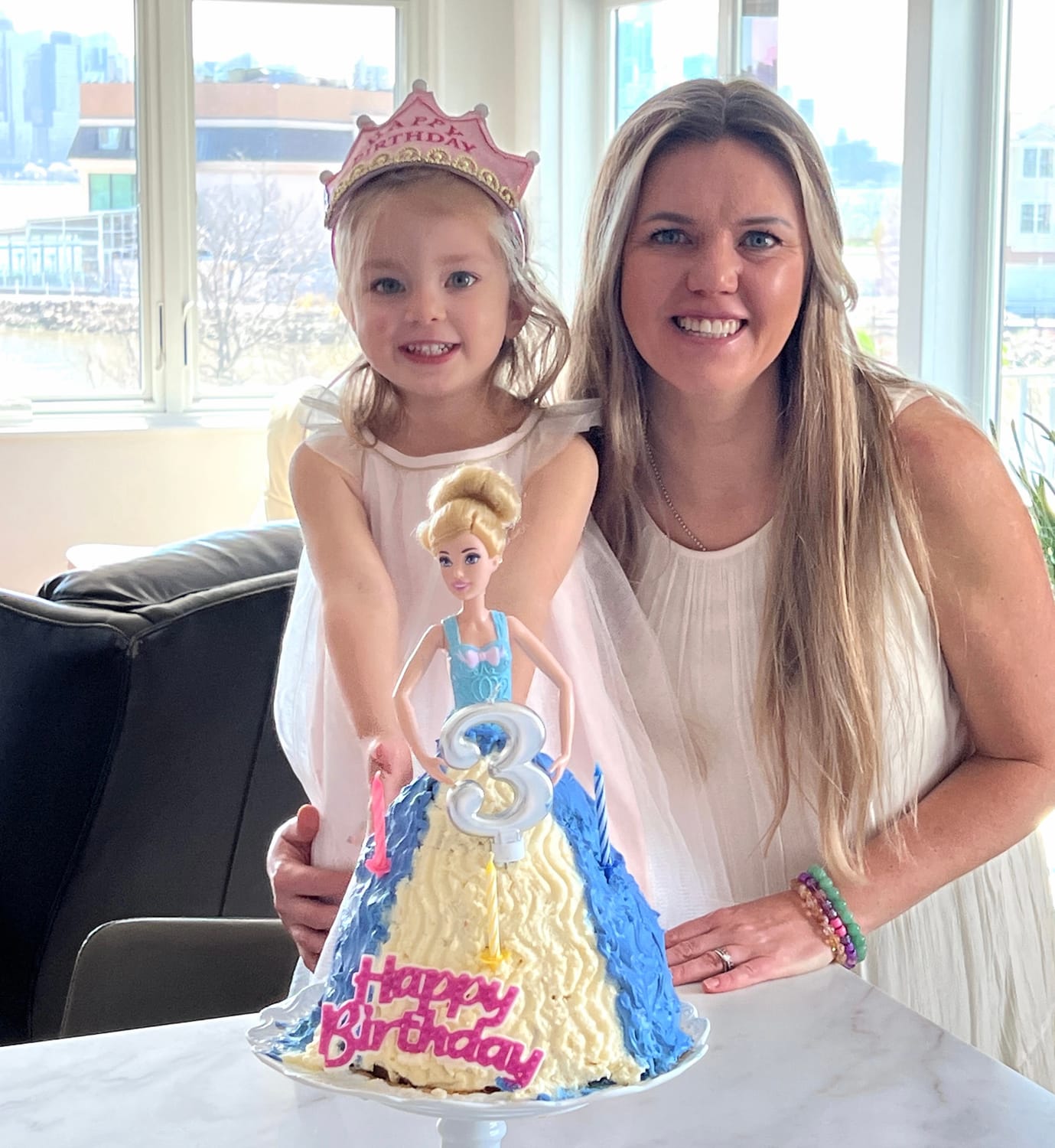
All homemade, all real food. Yes, even the princess cake. No refined sugar, no stress, and a kid who never feels like she's missing out.



Practical kids' nutrition tips, label-reading help and realistic family meals
© 2026 Healthy Kids, Happy Minds · by Ela Larsen · a brand of Serenite Group LLC. All rights reserved.