




The Yogurt Aisle Is a Trap. Here's the Way Through
If I could stand in one aisle of the supermarket and quietly hand parents a note, it would probably be the yogurt aisle.
Yogurt has one of the strongest health halos in the store. Add “organic,” some fruit on the package and a cartoon character, and it’s very easy to assume you’re looking at a great everyday food for a child.
But turn the container around, and the story can look quite different.
Some kids’ yogurts and yogurt pouches contain a surprising amount of added sugar for such a small serving. And the products marketed most heavily to children aren’t necessarily the ones I would choose.
Here’s what I check
First, the ingredient list.
I want it to be short and recognizable. I’m looking at what the yogurt is actually made from — not the promises on the front.
If sugar, syrups, flavors, colors and a long list of additives start appearing, I keep looking.
And “organic” doesn’t end the investigation for me. It tells me something useful about how the ingredients were produced, but it doesn’t automatically tell me that the finished product is nutritionally better or that it meets everything I personally look for.
Second, added sugar.
This is where some of the biggest differences between products show up.
Don’t just look at the fruit pictured on the front. Turn the container around and check the Added Sugars line on the Nutrition Facts panel.
Plain, unsweetened yogurt gives you much more control. If you want it sweeter, you can add berries, banana or other fruit yourself.
Third, protein.
This one matters because not all yogurts are nutritionally interchangeable.
Plain Greek yogurt can provide a substantial amount of protein, while some kids’ yogurts — and many plant-based alternatives — provide considerably less.
So I always look at the protein number rather than assuming that everything called “yogurt” offers the same nutrition.
What do I actually buy?
I’m quite picky about yogurt, and honestly, I don’t buy most conventional options — even many of the organic ones.
For me, “organic” is a starting point, not the finish line. I still want to know what the product is made from and what else has been added.
At home, I often choose a simple coconut-based yogurt such as Cocojune or Harmless Harvest. But I still read those labels too. “Dairy-free,” “plant-based” and “organic” can create their own health halos, and none of those words replaces the ingredient list.
There is an important trade-off: coconut yogurt is not nutritionally the same as Greek yogurt, particularly when it comes to protein.
A good plain, full-fat Greek yogurt can be an excellent option, especially for protein. I simply haven’t found one yet that checks all of my boxes, so it isn’t what I personally buy right now.
And I think it’s okay to say that.
You don’t always need a perfect replacement product. Sometimes reading labels means deciding that nothing on that particular shelf is exactly what you’re looking for.
What about kids who love yogurt pouches?
You don’t necessarily have to take away the format they love.
A reusable pouch can be filled at home with the yogurt you choose, blended with berries, banana or another fruit. Same pouch, same independence — but you control what goes inside.
If your child is used to very sweet yogurt, you can also reduce the sweetness gradually. Food preferences don’t have to change overnight.
The takeaway
The yogurt aisle is a perfect example of why I don’t make decisions from the front of a package.
Organic. Kids. Fruit. Plant-based. Greek. No artificial flavors.
Each of those words may tell you something. None tells you the whole story.
Turn it around.
Look at the ingredients, added sugar and protein — and then decide whether that particular yogurt works for your family.
Yogurt is just one aisle. Once you learn what to look for, you start seeing the same marketing patterns all over the store.
That’s exactly why I created The 5-Second Label Method — a simple system for knowing what to check first when you turn a package around.

Healthy Kids, Happy Minds shares general information about family nutrition, not medical advice. If you have concerns about your child's growth, eating, or health, please speak with your pediatrician.
Want an easier way to understand packaged foods without
analyzing every ingredient?
Understand the why behind the behavior
Explore science-informed guides that explain how nutrition interacts with
children's developing brains and bodies, and why it can influence focus, mood,
sleep and behavior.
READ NEXT

A note from Ela
Real Food for Healthy Kids and Happy Minds
This is my little corner of the internet for parents who want to feed their kids well, without the stress, and without the marketing words.
Here you'll find real-food recipes my own two kids actually eat (yes, including sweet treats, the healthy way), simple articles about how food shapes behavior, focus, and sleep, and easy label tips for your next grocery trip.
Pour yourself a coffee and look around. And if a recipe wins over your picky eater, come tell me on Instagram, it makes my whole day.
Read the label. Feed the brain. Keep it real.
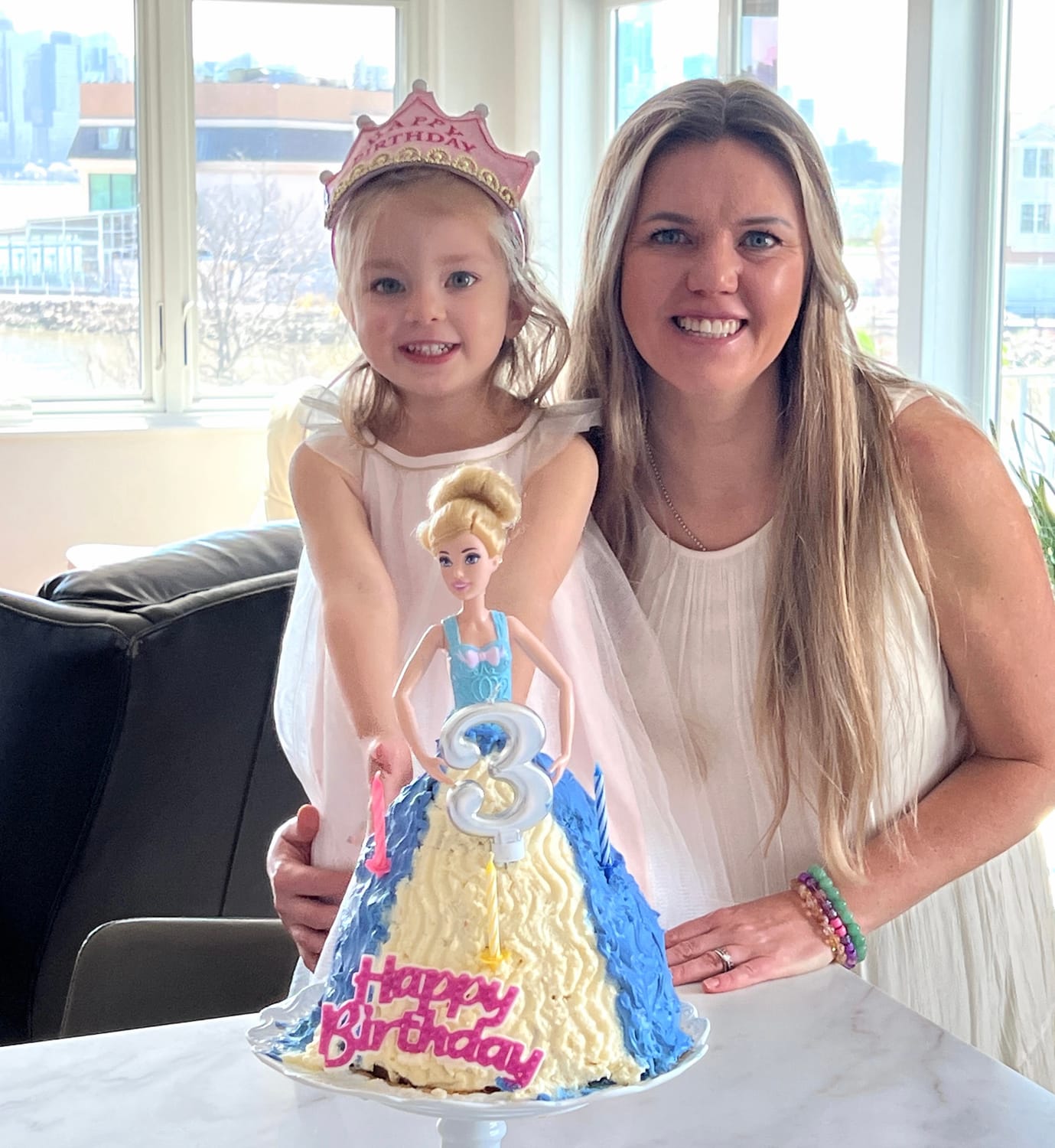
All homemade, all real food. Yes, even the princess cake. No refined sugar, no stress, and a kid who never feels like she's missing out.
Practical kids' nutrition tips, label-reading help and realistic family meals
© 2026 Healthy Kids, Happy Minds · by Ela Larsen · a brand of Serenite Group LLC. All rights reserved.