



Seeing the Pattern (Without Blaming Anyone, Including Yourself)
Somewhere between “food affects behavior” and your actual Tuesday, there’s a gap. You’ve read the articles. But when the meltdown comes, it’s never labeled — no banner appears saying this one was the juice. So how do you know what’s really connected in your child?
You watch for patterns. Not with an app, not with a spreadsheet — with the observational skill every parent already has, pointed in a slightly new direction.
The method, in three parts:
1. Note the hard moments, not the food. Most tracking fails because it starts with logging every bite — exhausting, abandoned by Thursday. Flip it: only when a genuinely hard moment happens (the meltdown, the fog, the wild hour), jot two things: the time, and what they ate in the previous two hours. One line on your phone. Ten seconds.
2. Wait for the rhyme. One note means nothing. Five notes start to rhyme. The classics that show up in parents’ notes again and again: the after-school storm two hours after a beige lunch. The wild bedtime on juice-box days. The Sunday-afternoon fog after the pancake breakfast. You’re not looking for proof — you’re looking for the same food, same hour, same storm showing up twice, then three times.
3. Change one thing, watch one week. Once something rhymes, run the smallest possible experiment: change only that item, keep everything else, and watch the hour that used to be hard. If it softens — you’ve found a real lever, one specific to your child, worth more than any general advice on the internet.
And the rule that makes all of it work: this is detective work, not a courtroom. No verdicts on your parenting, your child, or the past. Every pattern you find isn’t evidence of what you did wrong — it’s a lever you now own. Parents who track with guilt quit. Parents who track with curiosity find things.
If you want the detective work structured for you, The 14-Day Behavior Reset includes the Day 1 and Day 14 evaluation plus a daily observation tracker — so you see the change in numbers, not just a feeling.
Healthy Kids, Happy Minds shares general information about family nutrition, not medical advice. If you have concerns about your child's growth, eating, or health, please speak with your pediatrician.
Want an easier way to understand packaged foods without
analyzing every ingredient?
Understand the why behind the behavior
Explore science-informed guides that explain how nutrition interacts with
children's developing brains and bodies, and why it can influence focus, mood,
sleep and behavior.
READ NEXT

A note from Ela
Real Food for Healthy Kids and Happy Minds
This is my little corner of the internet for parents who want to feed their kids well, without the stress, and without the marketing words.
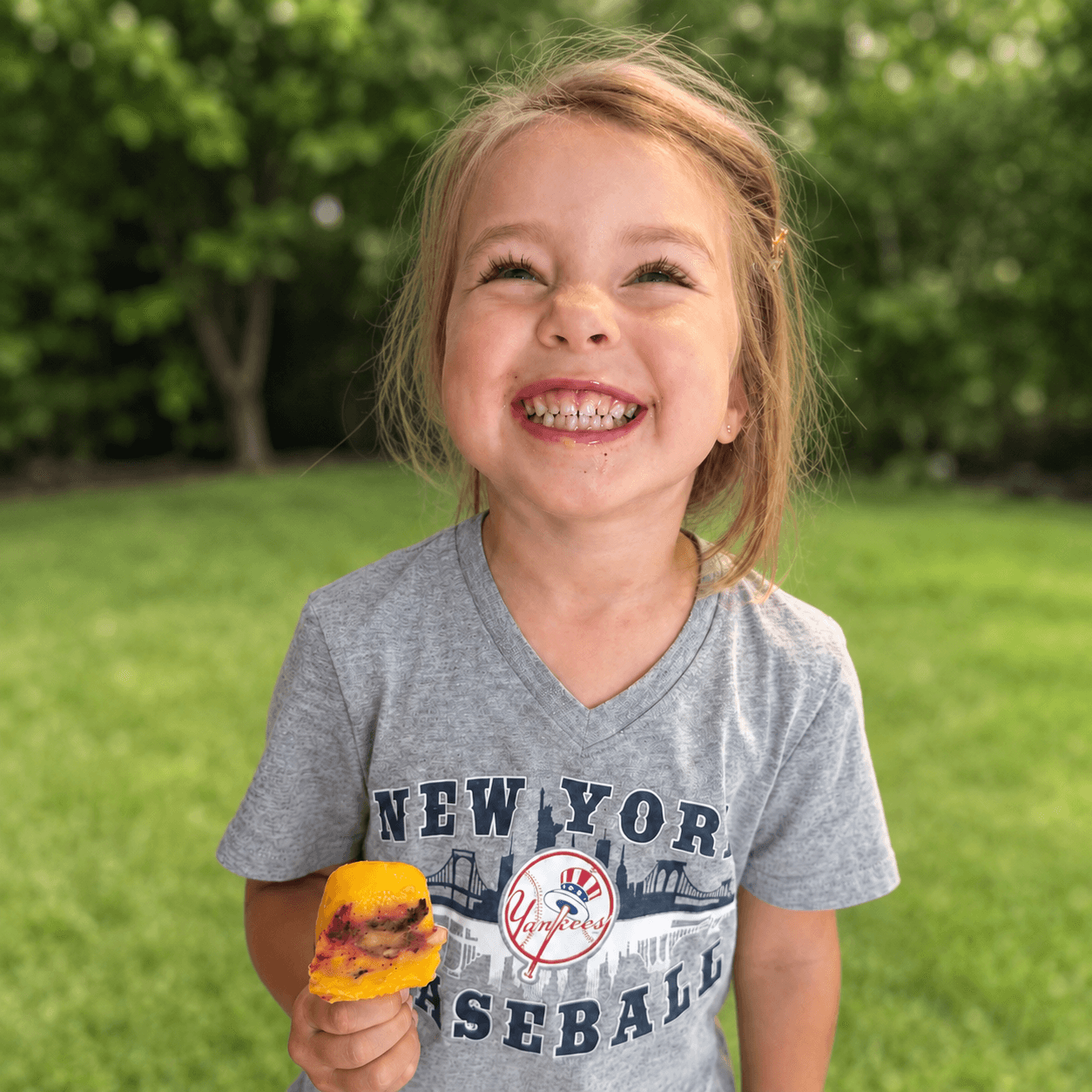
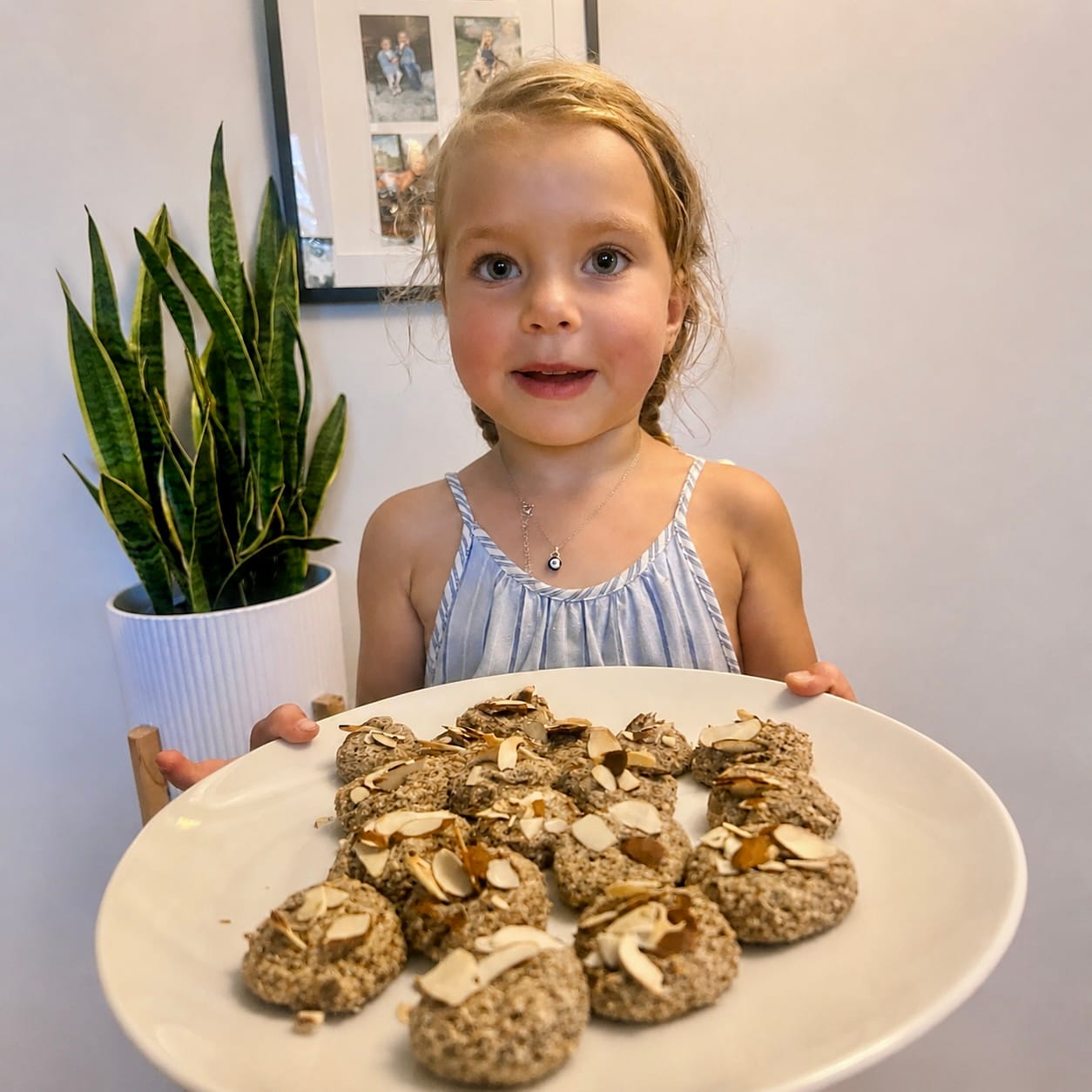
Here you'll find real-food recipes my own two kids actually eat (yes, including sweet treats, the healthy way), simple articles about how food shapes behavior, focus, and sleep, and easy label tips for your next grocery trip.
Pour yourself a coffee and look around. And if a recipe wins over your picky eater, come tell me on Instagram, it makes my whole day.
Read the label. Feed the brain. Keep it real.
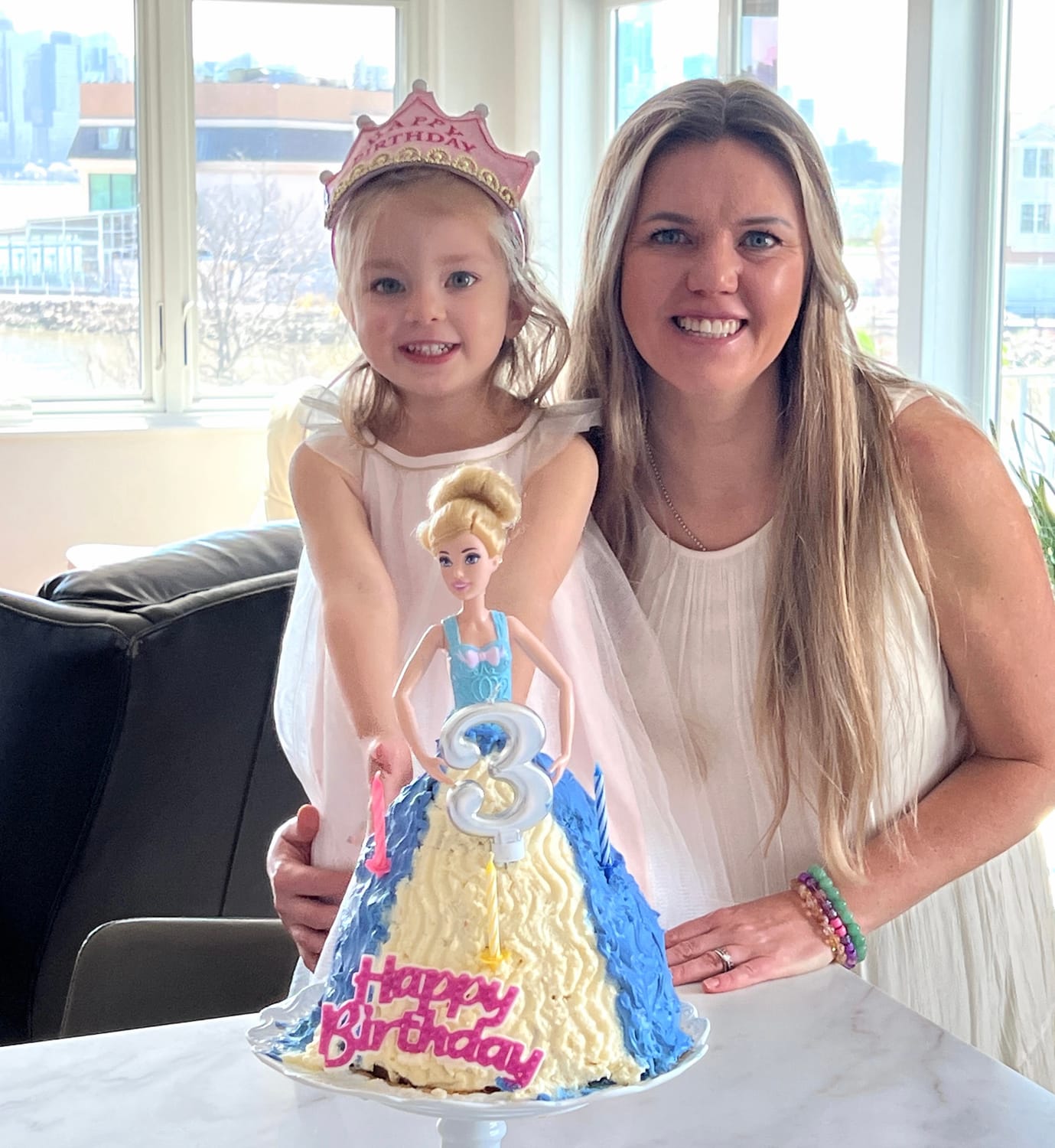
All homemade, all real food. Yes, even the princess cake. No refined sugar, no stress, and a kid who never feels like she's missing out.
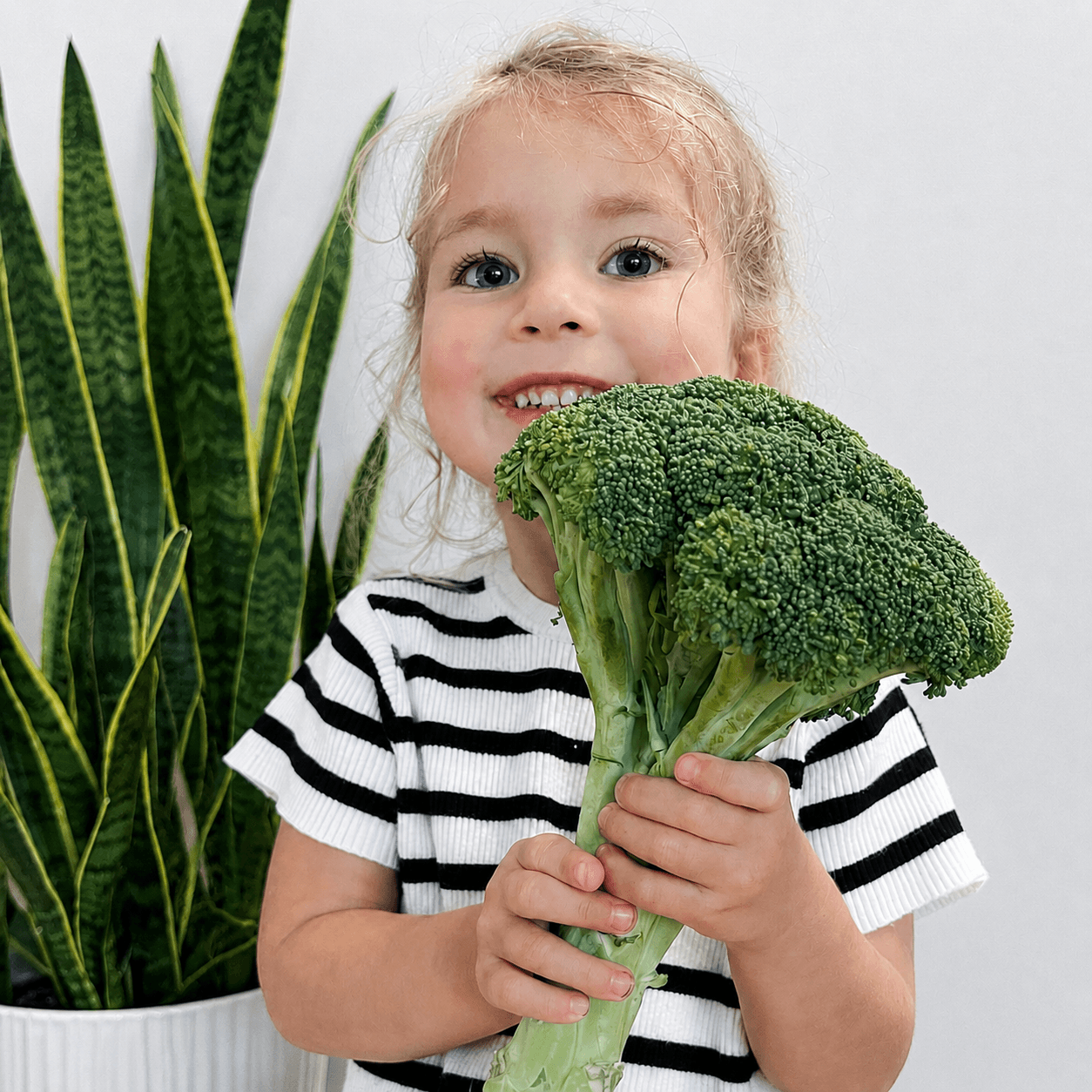
Practical kids' nutrition tips, label-reading help and realistic family meals
© 2026 Healthy Kids, Happy Minds · by Ela Larsen · a brand of Serenite Group LLC. All rights reserved.